
Dental Fillings vs. Crowns: What’s the Difference?
January 22, 2026 9:00 amWhen a tooth is damaged — whether by decay, a crack, or wear — your dentist has to decide how best to restore it. Two of the most common solutions are fillings and crowns, and while both are designed to fix problems and protect the tooth, they do very different jobs. Understanding the difference helps you know what’s happening in your mouth and why your dentist recommends one over the other.
At Granbury Park Dental in Granbury, TX, Dr. Paul Froude explains how fillings and crowns work, what makes each option right for a specific situation, and what you can expect from the process and results.
What Dental Fillings Do
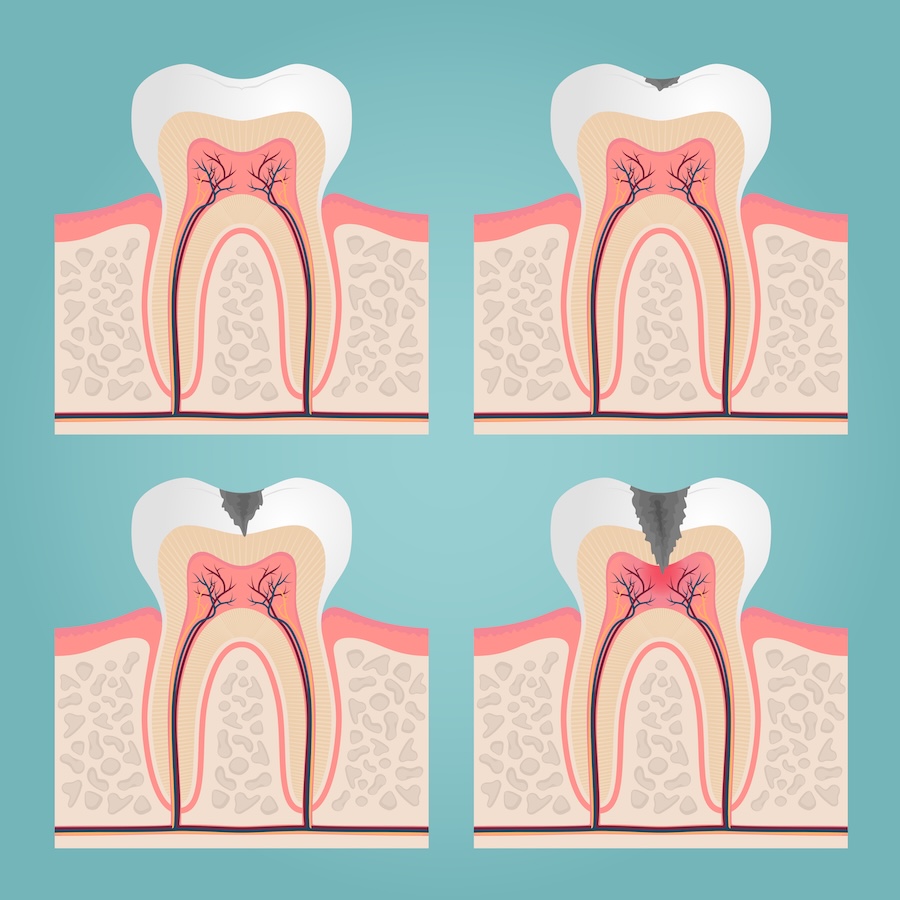
A filling is used when a tooth has a small to moderate cavity or a minor crack or defect that hasn’t compromised most of the tooth’s structure. The idea is simple: remove the decayed or damaged portion and replace it with a material that restores function and keeps bacteria out.
Today’s fillings are typically made of tooth‑colored composite resin, which blends with your natural enamel and bonds directly to the tooth. If you’ve ever had a cavity filled and then barely noticed anything different in how your tooth looked or felt, that’s a filling doing its job.
Fillings are a conservative fix — they preserve as much of the natural tooth as possible while restoring strength and preventing further decay.
When a Filling Makes Sense
- Decay is limited and hasn’t spread deep
- The tooth isn’t cracked or broken in more than one area
- Most of the natural structure is intact
- There’s no existing large filling taking up most of the tooth
Because composite resin bonds to the tooth, dentists can remove only the decayed portion and leave the healthy enamel and dentin in place. That’s part of what makes fillings such a common and effective solution.
What Dental Crowns Do
Crowns are used when a tooth needs more support than a filling can provide. A crown covers the entire visible portion of a tooth — like a protective cap — restoring shape, strength, and appearance all at once.
Crowns come into play when a tooth has:
- A large cavity that weakens the structure
- A crack or fracture that risks splitting the tooth
- A tooth that has had a root canal and is now more brittle
- A worn or broken filling that leaves little natural tooth remaining
Because a crown encases the whole tooth, it offers more reinforcement than a filling and protects what’s left from breaking under bite forces.
What Crowns Are Made Of
- Porcelain or ceramic: Looks very natural and matches surrounding teeth
- Porcelain fused to metal: Strong with good esthetics, often for back teeth
- Zirconia: Very strong and tooth‑colored, excellent for both front and back
- Gold or metal alloys: Extremely durable and gentle on opposing teeth
Dr. Froude discusses material choice based on where the tooth sits, how you bite, your smile goals, and how long you’d like the restoration to last.
How the Processes Differ
For a Filling:
- The dentist removes decay and preps the space.
- Composite resin is placed in layers and cured with a light.
- The filling is shaped and polished so it feels natural in your bite.
Most fillings take one short visit and don’t usually cause prolonged sensitivity.
For a Crown:
- The tooth is shaped so the crown will fit properly.
- An impression or digital scan is taken for a custom restoration.
- A temporary crown protects the tooth while the final one is made.
- On a second visit, the final crown is checked, adjusted, and bonded in place.
Same‑day crown options might let you skip the temporary step, depending on your situation.
How to Know Which One You Need
It’s not about one being “better” — it’s about what the tooth needs. A filling can be long‑lasting and subtle when the damage is minimal. A crown becomes necessary when the tooth’s integrity is at risk or when a large filling won’t protect the remaining structure.
Your dentist considers:
- How much natural tooth is left
- Your bite and chewing forces
- Esthetic concerns (especially for front teeth)
- Whether the tooth has had prior work like root canal therapy
And Dr. Froude will explain why a particular option fits best for your comfort, function, and longevity.
Taking Care of Fillings and Crowns
- Brush twice a day and floss daily
- Avoid chewing ice or very hard objects
- See your dentist for regular checkups and cleanings
- Mention any new sensitivity or rough spots early
Good oral habits keep both natural teeth and restorations healthy for years.
Dental Fillings vs. Crowns: What’s the Difference? — Granbury Park Dental in Granbury, TX
Fillings and crowns are both tools in your dental care toolkit, and each has its place. Fillings repair smaller areas of decay or damage with a minimally invasive touch. Crowns step in when the tooth needs broader support and protection. Understanding the difference helps you feel confident in what your dentist recommends — not just what is being done, but why it’s the right choice for your smile.
If something feels off — a little sensitivity, a rough edge, or a tooth that doesn’t seem quite right — Granbury Park Dental in Granbury, TX can help figure it out. Whether it’s time to repair a worn filling or consider a crown for added strength, Dr. Paul Froude will talk you through the options so you know what your tooth needs and why.
Categorised in: Dental Crowns, Dental Fillings
